Home › Common Problems › Roof Flashing Leaks
Roof Flashing Leaks
in Charlotte, NC
Flashing is the metal or rubber strip that seals the weak spots on a roof. Charlotte's weather swings hard, from below freezing on winter mornings to past 95°F on summer afternoons. Older homes in Myers Park, Dilworth, and Plaza Midwood often have large brick chimneys that put constant stress on those seals. If you wait, water gets into your walls and ceiling long before you notice any damage.
Charlotte Roof Repair Pros helps Charlotte, NC homeowners fix roof flashing leaks — call for a free inspection.
Quick Answer
Flashing seals the spots where your roof meets a chimney or wall. Charlotte's temperatures swing from freezing winters to 95°F summers, which pulls those metal strips loose over time. A roofer will pull the old flashing off and seal new metal or rubber in its place. Call for an inspection if you see water stains near your chimney or any wall edge.
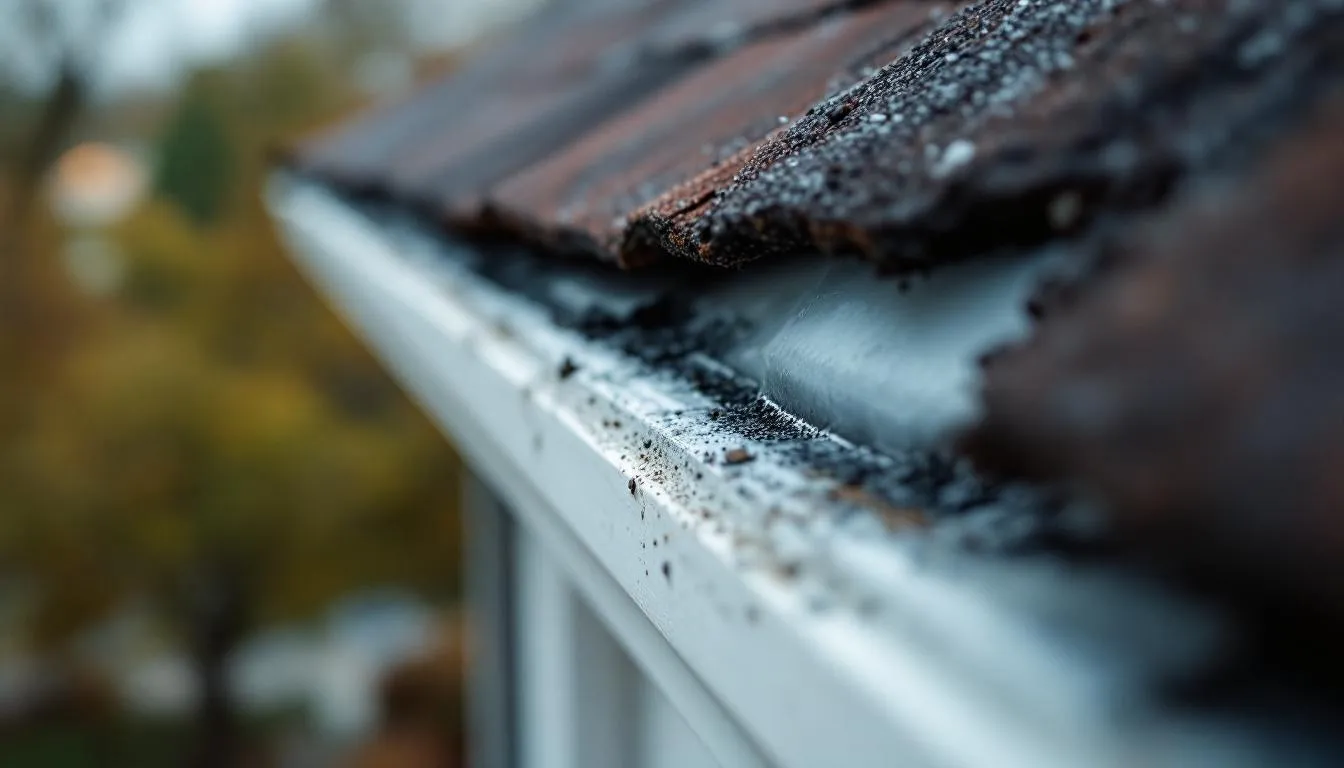
Telltale Signs
Warning Signs to Watch For
- Water stains on ceilings or walls directly adjacent to a chimney, dormer, or vent pipe
- Rust streaks running down brick chimneys or exterior siding below a roof transition
- Visible gaps, lifted edges, or missing sections of metal flashing on close inspection
- Dried caulk that has cracked and separated at the flashing-to-masonry joint
- Musty odor in rooms adjacent to an exterior wall after rainfall
- Staining or efflorescence on chimney masonry just above the roofline
Root Causes
What Causes Roof Flashing Leaks?
Thermal Expansion Cracking
Charlotte's temperatures swing from the teens in January to rooftop surface temperatures over 160°F in July. That kind of range makes metal flashing expand and contract over and over. Eventually the fasteners loosen and the sealant cracks open. After that, every rainstorm drives water behind the flashing and into the roof below.
The Fix
Full Flashing Replacement with Flexible Sealant
The old flashing is stripped off and the wood underneath is checked and dried out. New flashing is installed using heavier metal and a sealant rated for the temperature extremes of the Carolina Piedmont climate.
Chimney Mortar Deterioration
Many Charlotte homes built before 1980 have brick chimneys with mortar joints worn down by decades of freeze-thaw cycles. Even Charlotte's mild freezes push moisture into soft mortar and slowly crumble it apart. Counter-flashing is the metal piece tucked into that mortar joint to seal the roof edge. When the mortar erodes, the counter-flashing loses its grip and pulls away from the brick.
The Fix
Tuckpointing and Counter-Flashing Reset
The old mortar is dug out and replaced with type-S mortar matched to the hardness of the existing brick. The counter-flashing is then re-embedded into the fresh mortar and sealed to restore the waterproof barrier.
Original Caulk-Only Installation
During Charlotte's building boom periods, some contractors skipped proper step flashing and just used caulk at chimney and dormer transitions. Step flashing is a code-required metal barrier, not just a sealant. Caulk alone breaks down within a few years under UV and Charlotte's 43 inches of annual rainfall. Once it fails, that spot is completely unprotected.
The Fix
Proper Step Flashing Installation
The caulk-only application is fully removed. Real step flashing is woven in between each shingle course at the transition point. Counter-flashing is installed above it, as required by the North Carolina Residential Building Code.
Self-Diagnosis
Which Cause Applies to You?
Check the signs you're observing to narrow down the likely root cause before your inspection.
| What You're Seeing | Thermal Expansion Cracking | Chimney Mortar Deterioration | Original Caulk-Only Installation |
|---|---|---|---|
| Leak appears only during wind-driven rain from a specific direction | |||
| Visible gap between counter-flashing base and chimney masonry | |||
| Flashing present but only caulk visible at chimney-to-roof joint with no embedded metal | |||
| Rust stains on interior plywood decking directly behind the chimney | |||
| White efflorescence on chimney bricks just above the step flashing line | |||
| Cracked, shrinking caulk bead visible along the entire flashing edge from the ground |
Free Quote
Get a free quote in Charlotte
No obligation — tell us what's going on and we'll text you back shortly.
Other Problems
Services That Fix This
Roof Flashing Leaks Near You
Also Helpful