Home › Common Problems › Sagging Roof Deck
Sagging Roof Deck
in Charlotte, NC
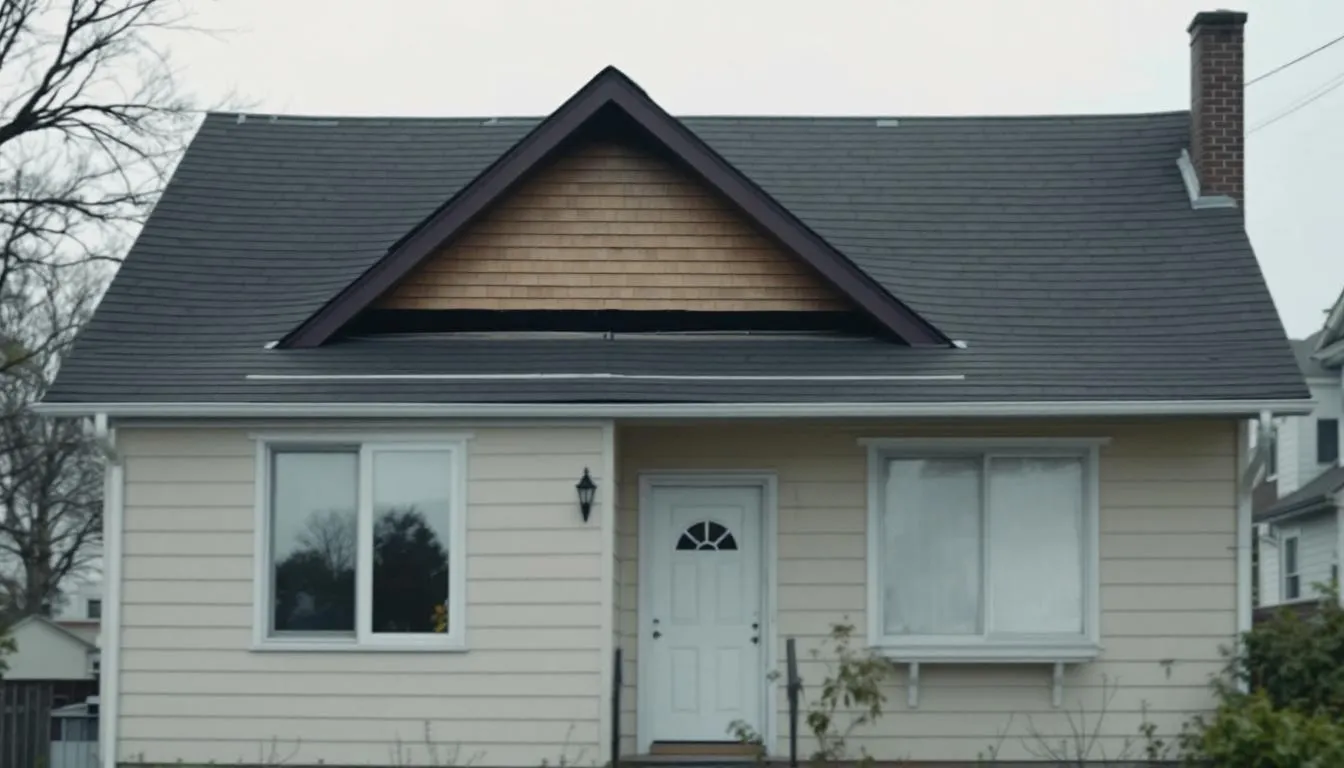
A sagging roof deck is one of the worst structural problems a Charlotte homeowner can face. The wood framing or sheathing underneath has been weakened by moisture, insects, or too much weight. Charlotte's humidity stays high from May through September, which is ideal for wood rot to spread quietly inside an attic. If you ignore it, the roof can fail completely and the repair bill grows much larger.
Charlotte Roof Repair Pros helps Charlotte, NC homeowners fix sagging roof deck — call for a free inspection.
Quick Answer
A sagging roof deck means the wood underneath has rotted or broken down. Charlotte's long humid summers from May through September let that rot spread quietly in your attic. A roofer will open the area, pull out the damaged wood, and put in solid new framing or sheathing. Call for an inspection the moment you notice any dip or soft spot in your roofline.
Telltale Signs
Warning Signs to Watch For
- Visible dips, waves, or a distinct bow in the roofline when viewed from street level
- Spongy or soft feeling underfoot when walking on the roof surface
- Interior ceiling drywall cracking in patterns that follow rafter locations
- Daylight or outside air detectable through the attic sheathing
- Rafters or trusses in the attic showing dark staining, soft spots, or visible rot
- Shingles creasing or bunching in lines that follow the underlying sheathing joints
Root Causes
What Causes Sagging Roof Deck?
Long-Term Moisture Rot
Charlotte gets about 43 inches of rain per year. Summer humidity frequently tops 80 percent. Sheathing is the panel layer nailed across the rafters that holds everything up. OSB sheathing loses its strength fast once it gets repeatedly soaked and its outer facing starts to peel. Rotted sheathing sags between the rafters, which is what creates that wavy look from the street.
The Fix
Sheathing Replacement and Leak Source Elimination
All rotted decking panels are removed and replaced with new OSB or plywood fastened to solid framing. The original source of the leak is fixed at the same time so the new wood stays dry.
Rafter or Truss Failure
Homes built in the 1960s and 1970s in Eastover, Cotswold, and South Charlotte often used rafter framing designed for specific load limits. Years of moisture in poorly ventilated attics can crack or weaken those rafters. On top of that, some owners stored heavy items in the attic or cut through rafters without adding proper support. That has left compromised framing in a lot of older Charlotte homes.
The Fix
Structural Rafter Sistering or Truss Repair
A sister board is a full-length piece of lumber bolted alongside a damaged rafter to carry the load again. Damaged or undersized rafters get sistered with new lumber that extends past the bad section. Damaged truss members are repaired using engineered plans, as required by Mecklenburg County's structural permit process.
Ice Dam and Freeze-Thaw Damage
Charlotte gets periodic winter ice storms, especially in northern Mecklenburg and southern Iredell County. Warm air leaking from a poorly ventilated attic melts snow on the roof. That water runs down and refreezes at the cold eave edge, forming an ice dam. The backed-up water gets forced under the shingles and into the sheathing, and even one season of this can start wood rot.
The Fix
Ice and Water Shield Installation with Ventilation Correction
Ice and water shield membrane is installed along all eave areas and valleys per North Carolina code requirements for the Charlotte climate zone. Attic ventilation is also corrected so warm air stops building up and creating the conditions for ice dams.
Self-Diagnosis
Which Cause Applies to You?
Check the signs you're observing to narrow down the likely root cause before your inspection.
| What You're Seeing | Long-Term Moisture Rot | Rafter or Truss Failure | Ice Dam and Freeze-Thaw Damage |
|---|---|---|---|
| Soft, punky sheathing visible in the attic with dark staining but intact rafters | |||
| Sagging localized to one bay with a visibly cracked or split rafter below | |||
| Sagging concentrated at the eave edge only, not at ridge or mid-span | |||
| Multiple sheathing panels soft across a broad area with uniform discoloration | |||
| Attic shows evidence of previous DIY modifications — cut rafters or added storage platforms | |||
| Interior water staining concentrated at exterior walls near eaves after winter weather |
Free Quote
Get a free quote in Charlotte
No obligation — tell us what's going on and we'll text you back shortly.
Other Problems
Services That Fix This
Sagging Roof Deck Near You
Also Helpful